The DASH Eating Plan for Heart Health
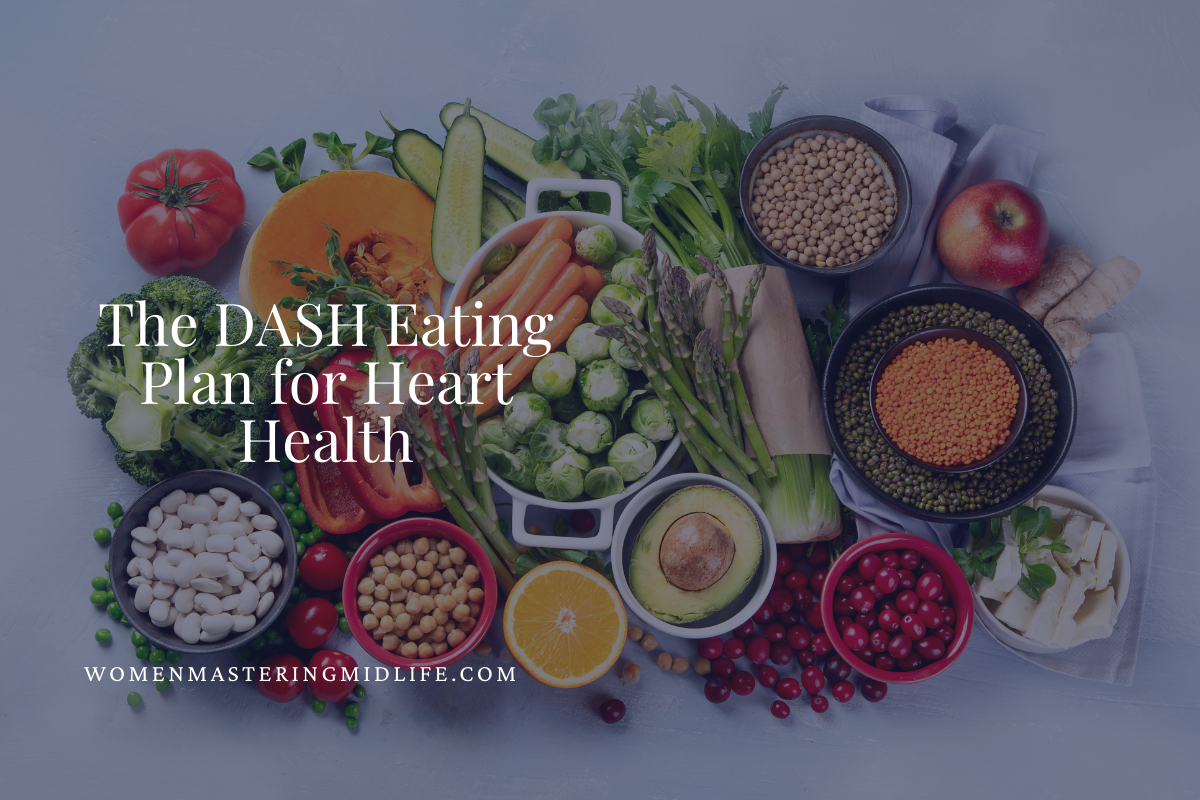
A Simple, Sustainable Guide for Midlife Women
The DASH eating plan is one of the most well-researched and widely recommended approaches to nutrition for heart health and blood pressure support. Developed through decades of clinical research by the National Heart, Lung, and Blood Institute, DASH stands for Dietary Approaches to Stop Hypertension.
For midlife women navigating perimenopause and menopause, when cardiovascular risk, blood pressure, cholesterol, and insulin sensitivity often begin to shift, DASH offers a practical, food-based framework that is flexible, realistic, and sustainable long term.
This article explains what the DASH eating plan is, how it works, and how to apply it in everyday life, with simple sample recipes you can use right away.
What Is the DASH Eating Plan?
The DASH eating plan is not a short-term diet. It is a pattern of eating designed to support cardiovascular health using whole, accessible foods. You do not need special products, supplements, or rigid rules.
At its core, DASH emphasizes foods that naturally provide nutrients known to support healthy blood pressure and heart health, while limiting foods that contribute to excess sodium, saturated fat, and added sugars.
DASH Diet Basics: What to Eat More and Less Of
Foods to Emphasize
Vegetables and fruits
Whole grains
Low-fat or fat-free dairy
Lean protein such as fish, poultry, beans, and lentils
Nuts, seeds, and healthy oils
Foods to Limit
High-sodium foods
Saturated fat
Added sugars and sweets
Sugar-sweetened beverages
This balance helps increase intake of potassium, calcium, magnesium, fiber, and protein, nutrients that play important roles in blood pressure regulation, cholesterol management, and overall cardiovascular health.
How the DASH Eating Plan Supports Heart Health
The effectiveness of the DASH eating plan comes from multiple mechanisms working together:
Lower sodium intake helps reduce fluid retention and vascular pressure
Higher potassium and magnesium intake supports blood vessel function
Reduced saturated fat improves LDL cholesterol levels
Higher fiber intake supports metabolic and cardiovascular health
Clinical studies show that DASH can lower blood pressure within weeks, even without intentional weight loss, which makes it especially relevant during midlife.
DASH Diet Serving Guidelines (Example)
For a 2,000-calorie eating pattern, DASH typically includes:
Whole grains: 6–8 servings per day
Vegetables: 4–5 servings per day
Fruits: 4–5 servings per day
Low-fat dairy: 2–3 servings per day
Lean meat, poultry, or fish: 6 or fewer servings per day
Nuts, seeds, legumes: 4–5 servings per week
Fats and oils: 2–3 servings per day
Sweets: 5 or fewer servings per week
Serving needs vary based on calorie needs, activity level, and health goals, and DASH can be adapted accordingly.
Sodium Intake on the DASH Eating Plan
Sodium reduction is a key component of DASH:
Standard DASH approach: 2,300 mg sodium per day
Lower sodium DASH option: 1,500 mg sodium per day, associated with greater blood pressure reduction
Most dietary sodium comes from processed and restaurant foods rather than salt added at home. Choosing minimally processed foods and reading labels makes DASH easier to follow.
Why DASH Works Well for Midlife Women
During midlife, many women experience changes in:
Blood pressure
Cholesterol levels
Insulin sensitivity
Body composition
The DASH eating plan supports cardiovascular health without extreme restriction, making it easier to sustain during hormonal transitions. It also aligns well with Mediterranean-style eating and other evidence-based nutrition patterns used in menopause care.
Sample DASH Recipes
Simple, Heart-Healthy Meals for Everyday Life
One of the strengths of DASH is that it translates easily into real meals using familiar foods.
DASH Breakfast
Berry Oatmeal with Greek Yogurt
Why it fits DASH: Whole grains, fruit, fiber, protein, and calcium with minimal sodium.
Ingredients
½ cup rolled oats
1 cup water or low-fat milk
½ cup mixed berries
¼ cup plain low-fat Greek yogurt
Cinnamon to taste
Directions
Cook oats according to package directions.
Top with berries and Greek yogurt.
Sprinkle with cinnamon instead of sugar.
DASH Lunch
Mediterranean-Style Grain Bowl
Why it fits DASH: Vegetables, whole grains, plant protein, and healthy fats.
Ingredients
1 cup cooked quinoa or brown rice
½ cup chickpeas, rinsed
Chopped cucumber, tomato, and bell pepper
1 tablespoon olive oil
Lemon juice, garlic, and herbs
Directions
Combine grains, chickpeas, and vegetables in a bowl.
Drizzle with olive oil and lemon juice.
Season with herbs and garlic instead of salt.
DASH Dinner
Baked Salmon with Roasted Vegetables
Why it fits DASH: Lean protein, omega-3 fats, vegetables, and low sodium.
Ingredients
4 oz salmon filet
1–2 cups mixed vegetables such as broccoli, zucchini, or carrots
1 tablespoon olive oil
Lemon, black pepper, and herbs
Directions
Preheat oven to 400°F.
Place salmon and vegetables on a baking sheet.
Drizzle with olive oil and season with herbs and lemon.
Bake for 15–20 minutes until salmon flakes easily.
DASH Snack Ideas
Plain yogurt with fruit
A small handful of unsalted nuts
Hummus with raw vegetables
Apple slices with nut butter
Practical Tips for Following DASH Long Term
Build meals around vegetables and whole foods
Use herbs, spices, citrus, and vinegar instead of salt
Include protein at every meal
Plan meals and snacks to reduce reliance on processed foods
Focus on consistency, not perfection
DASH is designed to be flexible and sustainable rather than rigid.
Who Should Consider the DASH Eating Plan?
The DASH eating plan may be helpful if you want to:
Support healthy blood pressure
Improve cholesterol levels
Reduce cardiovascular risk
Establish a balanced, long-term eating pattern
It can be adapted for many health conditions with guidance from a qualified healthcare professional.
Bottom Line
The DASH eating plan is a scientifically validated, heart-healthy approach to eating that emphasizes real food, balanced nutrition, and sustainable habits. For midlife women focused on long-term cardiovascular health, DASH provides a clear, evidence-based foundation that can be personalized to individual needs.
Reference
National Heart, Lung, and Blood Institute. DASH Eating Plan.
https://www.nhlbi.nih.gov/education/dash-eating-plan